
How Solar Installations in Snowy Climates Are Adapting for Optimal Performance
Introduction
Solar energy is often associated with sunny deserts and warm climates, but modern technology has changed that perception. Today, Solar Installations in Snowy Climates are successfully operating in some of the coldest regions of the world. Advances in engineering, system design, and monitoring technologies have made it possible for solar power systems to perform efficiently even in areas that experience heavy snowfall and long winters.
Many people assume that snow and freezing temperatures make solar energy impractical. In reality, solar panels generate electricity from sunlight rather than heat. While winter conditions present certain challenges, innovative solutions are helping solar systems maintain reliable performance throughout the year.
This article explores the challenges faced by solar installations in snowy climates, the technologies helping overcome those challenges, and why solar energy continues to be a viable renewable energy solution in cold-weather regions.
Do Solar Panels Work Efficiently in Snowy Climates?
Yes. Solar panels can generate electricity efficiently in snowy climates because they rely on sunlight rather than heat. Modern solar systems use optimized tilt angles, durable mounting structures, advanced monitoring technologies, and innovative surface treatments to maintain reliable performance throughout winter.
A common misconception is that solar panels stop working during winter. However, solar panels can continue generating electricity whenever sunlight reaches their surface.
In fact, colder temperatures often improve solar panel efficiency because excessive heat can reduce electrical performance. While snow accumulation may temporarily block sunlight, properly designed systems can minimize energy losses and quickly return to normal operation.
This is why many Solar Panels in Snowy Climates continue producing reliable energy throughout the winter season.
Challenges Faced by Solar Installations in Snowy Climates
Despite their benefits, Solar Installations in Snowy Climates must overcome several seasonal challenges to maintain optimal performance.
Snow Accumulation on Panels
Snow covering the surface of solar panels can block sunlight and temporarily reduce electricity generation. The impact depends on the depth of snow and how long it remains on the panels.
Shorter Winter Days
Winter seasons typically bring fewer daylight hours, reducing the amount of solar energy available for generation.
Ice Formation
Ice can accumulate around panel edges, mounting structures, and electrical components, creating maintenance challenges if not properly managed.
Heavy Snow Loads
Large amounts of snow can place additional stress on solar structures. Proper engineering and durable mounting systems are essential to ensure long-term reliability.
How Modern Solar Systems Adapt to Snowy Conditions
Modern engineering innovations help Solar Installations in Snowy Climates maintain reliable energy production throughout winter.
Optimized Panel Angles
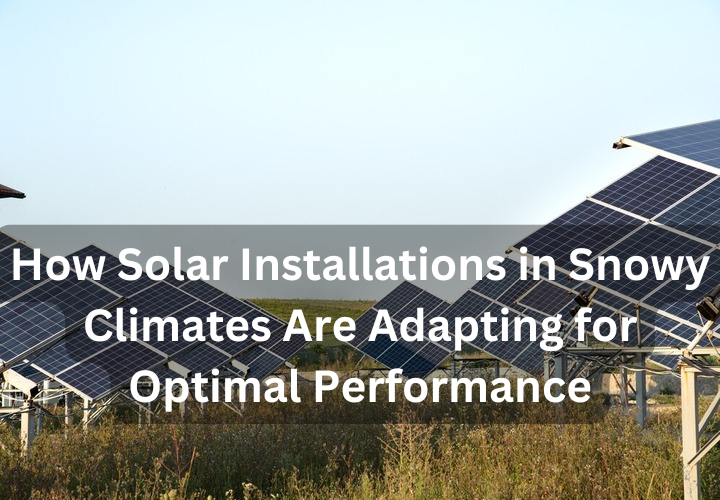
Installing solar panels at steeper angles allows snow to slide off naturally. This reduces snow accumulation and helps panels regain sunlight exposure more quickly.
Steeper angles also improve solar energy capture during winter months when the sun sits lower in the sky.
Durable Mounting Structures
Modern solar installations are designed to withstand regional snow-load requirements. Engineers carefully calculate structural loads to ensure systems remain safe and reliable throughout their lifespan.
Advanced Monitoring Systems
Smart monitoring platforms provide real-time insights into system performance. Operators can quickly identify weather-related production losses and respond when necessary.
Self-Cleaning Surface Technologies
Many manufacturers now apply hydrophobic coatings that reduce snow and ice adhesion. These advanced surface treatments help snow slide off more easily, reduce manual cleaning requirements, and maintain better sunlight exposure during winter months.
Heated Solar Panels
In some installations, specialized heating systems are integrated into solar panels. These systems help melt accumulated snow and restore power generation more quickly after snowfall.
Best Practices for Solar Panels in Snowy Regions
Proper maintenance is essential for maximizing the performance of Solar Installations in Snowy Climates and ensuring long-term reliability.
Industry experts recommend:
- Installing panels at site-specific tilt angles
- Designing systems for local snow-load conditions
- Monitoring energy production regularly
- Minimizing shading from nearby structures or vegetation
- Conducting seasonal inspections
- Using safe snow-removal methods when required
These practices help improve system reliability and maximize long-term energy production.
Why Snowy Climates Can Still Be Ideal for Solar Energy
Despite common assumptions, snowy environments can offer certain advantages for solar power generation.
One important factor is the Albedo Effect. Fresh snow reflects a significant amount of sunlight. This reflected light can increase the amount of solar radiation reaching nearby panels, helping improve overall energy generation.
Additionally, solar panels generally perform more efficiently in cooler temperatures than in extremely hot conditions. The combination of reflected sunlight and improved efficiency can help offset some winter-related energy losses.
With proper engineering and maintenance, solar installations in snowy regions can deliver strong performance throughout the year.
The Role of Engineering Expertise
With over 40 years of combined industry experience and extensive involvement in utility-scale solar projects, the team focuses on delivering reliable and efficient solar solutions that support long-term performance and sustainability goals.
At ACE Renewtech Engineering Private Limited, engineering excellence is supported by decades of industry knowledge. Established in 2017, the company benefits from the expertise of its parent organization, which has been actively involved in the solar energy sector since 1986.
Industry studies have consistently shown that solar panels often perform more efficiently in cooler temperatures than in extreme heat, making well-engineered systems suitable for a wide range of climatic conditions.
This commitment to quality engineering helps ensure long-term performance across a wide range of environmental conditions.
Future Innovations in Snow Climate Solar Technology
The renewable energy industry continues to invest in technologies designed to improve solar performance in challenging weather conditions.
Some of the most promising innovations include:
AI-Powered Monitoring
Artificial intelligence can analyze weather patterns, identify performance issues, and optimize system operation in real time.
Advanced Energy Storage
Modern battery systems help store excess solar energy for use during periods of lower sunlight availability.
Climate-Specific Solar Modules
Manufacturers are developing solar panels specifically engineered for regions that experience snow, ice, and extreme temperatures.
Automated Snow Management
Future solar installations may include automated systems capable of detecting and removing snow without manual intervention.
These innovations will continue improving the reliability and efficiency of Solar Energy in Cold Climates.
Frequently Asked Questions
Do solar panels work when covered with snow?
Solar panels produce less electricity when completely covered by snow. However, snow often slides off naturally from tilted panels, allowing energy production to resume.
Are solar panels more efficient in cold weather?
Yes. Solar panels generally perform more efficiently in cooler temperatures than in extreme heat.
What is the best tilt angle for solar panels in snowy regions?
The ideal tilt angle depends on local weather conditions and snowfall patterns. Steeper angles are often preferred because they help snow slide off more easily.
Can heavy snow damage solar panels?
Professionally engineered solar systems are designed to withstand expected snow loads and winter weather conditions.
Conclusion
Solar Installations in Snowy Climates demonstrate how renewable energy technology continues to evolve and adapt to challenging environments. While snow accumulation, ice formation, and shorter daylight hours present unique challenges, modern engineering solutions have made solar energy a dependable option even in harsh winter conditions.
Innovations such as optimized panel angles, durable mounting systems, self-cleaning coatings, heated solar panels, and intelligent monitoring technologies are helping improve year-round performance. As technology continues to advance, solar energy will play an increasingly important role in supporting sustainable power generation across diverse climates worldwide.
At ACE Renewtech Engineering Private Limited, we remain committed to delivering innovative solar solutions backed by engineering expertise, industry experience, and a focus on long-term performance. Through continuous innovation and quality-driven execution, we help support the transition toward a cleaner and more sustainable energy future.
Recent Posts
Enquire Now
Recent Posts
Ground Mounted Solar: Definition, Types, Uses & Benefits
September 29, 2026