
Solar Power Solutions: Definition, Types, Components & Key Benefits
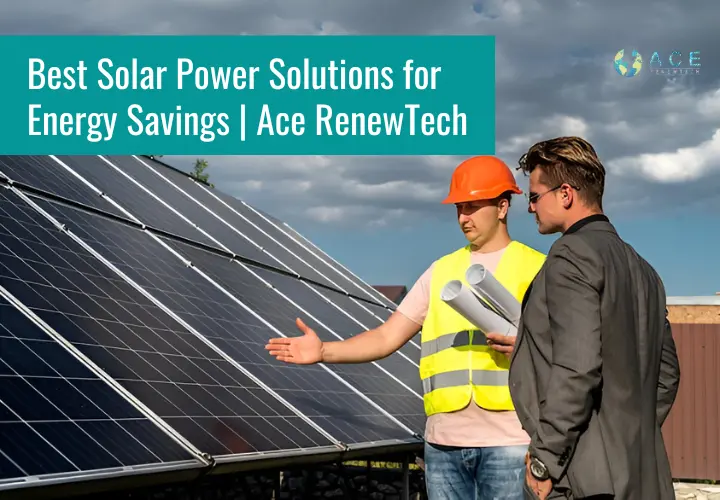
A solar power solution is a complete energy system that converts sunlight into usable electricity using solar panels, an inverter, mounting structures, and optional battery storage. The three main types of solar power solutions are grid-tied, off-grid, and hybrid systems, each designed for different energy needs and power availability conditions.
What Are Solar Power Solutions?
Solar power solutions, often referred to as solar energy solutions, are integrated systems that generate electricity from sunlight using photovoltaic (PV) technology. These systems are designed to provide clean, reliable, and cost-effective energy for homes, businesses, and industrial operations.
As electricity demand continues to grow and energy costs rise, solar power has become one of the most practical alternatives to conventional power sources. By harnessing renewable energy from the sun, solar power solutions help reduce electricity bills, lower carbon emissions, and support long-term energy independence.
Key Components of a Solar Power Solution
| Component | Function |
|---|---|
| Solar Panels | Contain PV cells that absorb sunlight and convert it into direct current (DC) electricity. |
| Inverter | Converts DC electricity into alternating current (AC) for residential, commercial, or industrial use. |
| Mounting Structure | Holds panels securely at the optimal angle for maximum sunlight exposure. |
| Battery Storage | Stores excess electricity for use at night, during outages, or in low sunlight conditions. |
| Monitoring System | Tracks energy generation, consumption, and system performance in real time. |
Types of Solar Power Solutions
1. Grid-Tied Solar Systems
Connected directly to the public electricity grid, drawing additional power when needed. Excess electricity can be exported back through net metering, reducing overall costs.
Ideal for: Homes, offices, and businesses with reliable grid access.
2. Off-Grid Solar Systems
Operate independently with no grid connection, relying entirely on battery storage for continuous power.
Ideal for: Rural areas, farmhouses, and remote locations without grid access.
3. Hybrid Solar Systems
Combine grid connectivity with battery backup, providing uninterrupted power during outages while storing excess energy for later use.
Ideal for: Businesses needing continuous operations, hospitals, and homes seeking reliable backup.
Grid-Tied vs Off-Grid vs Hybrid: Quick Comparison
| Feature | Grid-Tied | Off-Grid | Hybrid |
|---|---|---|---|
| Grid Connection | Yes | No | Yes |
| Battery Storage | Optional | Required | Required |
| Power During Outages | No | Yes | Yes |
| Net Metering | Yes | No | Yes |
| Initial Cost | Lower | Higher | Moderate to High |
| Best For | Urban homes & businesses | Remote locations | Backup power & energy security |
How Solar Power Solutions Work
- Sunlight Absorption: Solar panels capture sunlight using photovoltaic (PV) cells and generate direct current (DC) electricity.
- Power Conversion: The solar inverter converts DC electricity into alternating current (AC), which can be used for homes, offices, and industries.
- Energy Utilization: The generated AC electricity powers electrical appliances and equipment.
- Energy Storage (Optional): If a battery system is installed, excess electricity is stored for use during nighttime or power outages.
- Grid Export (For Grid-Tied Systems): Surplus energy can be supplied back to the main electricity grid through net metering.
Benefits of Solar Power Solutions
- Environmentally friendly: Produces electricity without harmful greenhouse gas emissions
- Reduced electricity costs : Lowers monthly bills and delivers long-term financial savings
- Low maintenance: Few moving parts; needs only periodic cleaning and inspection
- Energy independence: Reduces reliance on utility providers and improves energy security
- Long-term investment: Modern panels operate at 15–22% efficiency and last 25–30 years
- Reliable backup power: Hybrid and off-grid systems keep running during grid failures
Frequently Asked Questions
1. What is a solar power solution?
A solar power solution is a complete system of solar panels, an inverter, mounting structures, and optional battery storage that converts sunlight into usable electricity.
2. What are the main types of solar power solutions?
The three primary types are grid-tied, off-grid, and hybrid solar systems, each designed for different energy requirements and grid conditions.
3. What components make up a solar power system?
A typical system includes solar panels, an inverter, mounting structures, battery storage (optional), and a monitoring system.
4. solar power solutions work during power outages?
Standard grid-tied systems generally stop operating during outages for safety reasons. Hybrid and off-grid systems with battery storage continue supplying electricity.
5. How long does a solar power system last?
Most solar panels are designed to last 25–30 years, while inverters and batteries may need replacement or upgrades during the system's lifetime.
Conclusion
Solar power solutions, also known as solar energy solutions, provide a sustainable, reliable, and cost-effective approach to electricity generation. Whether you choose a grid-tied, off-grid, or hybrid system, solar energy can be tailored to meet the specific needs of homes, businesses, and industrial facilities.
Looking for the right system? Read our guide on how to choose the best solar power solution for your home to identify the most suitable option based on your energy needs, location, and budget.
Recent Posts
Enquire Now
Recent Posts
Ground Mounted Solar: Definition, Types, Uses & Benefits
September 29, 2026