

Solar Energy and EV Charging: Powering the Future
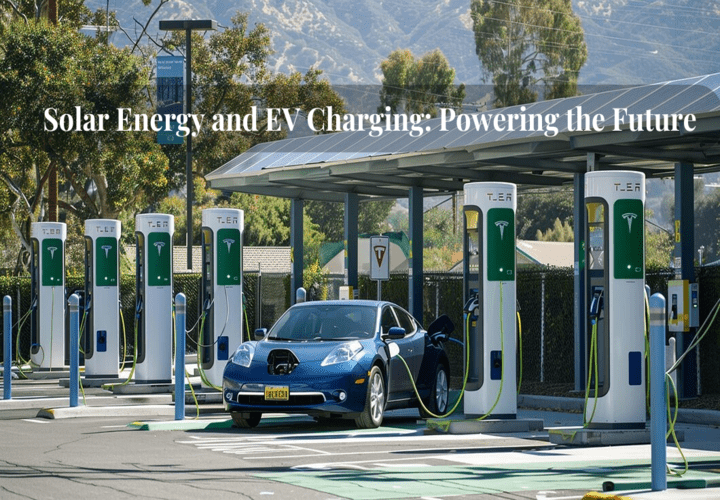
Introduction: Solar Energy and EV Charging: Powering the Future
The world is grappling with energy demands and the intervention of solar energy in vehicle charging is changing the landscape for good. The entire shift of solar energy towards electrical vehicle charging marks a pivotal inclination towards sustainable environment and development for the future. Climate change, global warming, and other factors are influencing how the energy sector works with renewable power resources in the country.
Here, we’ll see how solar energy helps in EV charging and how it’s helping in powering the future of solar energy in India. Also, we’ll walk you through how as a pioneer in promoting a solar energy company, India stands out in bringing out the potential of renewable sources.
The rise of Electric vehicles
With an increase in awareness among the public about the importance of solar energy and sustainable practices, people are leaning towards electric vehicles and the market is growing at a phenomenal rate. In fact, the production capacity is expected to grow multifold before the end of this decade. Further, incentives from the government and an increase in the fuel price are all contributing to the overall growth of the electric vehicle industry.
The Indian government is implementing key policy changes to transition all vehicles to electric by 2030. The country shows strong potential in the electric vehicle market, supported by its goal to reach 500 GW renewable energy capacity through investments in solar engineering companies and related innovations.
Sustainable charging
As of today, the majority of vehicles in operation are powered by the grid, which in turn relies on fossil fuels for power generation. The integration of renewable energy sources to the charging systems of vehicles ensures a better operation of Solar PV Energy Solutions.
Also, by harnessing sunlight that’s abundant, the charging stations operating independently can also help in the power generation process during production times.
Advantages of solar powered EV charging
The solar capacity of the country stood at a basic 1.60 W in the year 2013. From there, it has surged to around 84GW in the year 2024. Furthermore, the government is planning to add another 50 GW to the already existing capacity.
Apart from propping up the energy landscape towards sustainable development, Solar powered EV charging has several other benefits to offer.
Cost-effectiveness
Solar powered EV charging is an economic approach towards sustainable power generation. By installing them strategically, we can significantly reduce the available free sunlight to produce electricity and save up for the future.
Environment-friendly
Solar powered EV charging, unlike conventional power sources, is eco-friendly. With lesser carbon footprint and increased positive impact on the environment, solar powered EV charging stations can ensure that all the energy and power needs are met with no harmful impact on the environment.
Right now, the power generation across the country is heavily dependent on fossil fuels. Solar powered EV charging stations reduce this pressure and ensure that the dependence on fossil fuels is less. They further stabilise the local energy supplies, reducing the industry’s dependence on fossil fuels for generating electricity.
Scalability and growth
Another major push factor that supports the advancement of solar powered EV charging is the opportunities to be scaled and the growth that can be promised by adopting renewable energy sources.
Environment-friendly
Solar powered EV charging, unlike conventional power sources, is eco-friendly. With lesser carbon footprint and increased positive impact on the environment, solar powered EV charging stations can ensure that all the energy and power needs are met with no harmful impact on the environment.
No dependence on fossil fuels
Right now, the power generation across the country is heavily dependent on fossil fuels. Solar powered EV charging stations reduce this pressure and ensure that the dependence on fossil fuels is less. They further stabilise the local energy supplies, reducing the industry’s dependence on fossil fuels for generating electricity.
Scalability and growth
Another major push factor that supports the advancement of solar powered EV charging is the opportunities to be scaled and the growth that can be promised by adopting renewable energy sources.
Future Outlook
With supportive policies by the government and increasing awareness among investors about the prospective growth of the industry in the coming years, the future looks promising and lucrative for Solar-powered EV charging in India. With the nation trying to power up the landscape by establishing its presence as the global leader in the sector, here are the factors that can contribute to an advancement that can be palpable and scalable.
SOLAR PV technology
The country ranks among the top 5 in terms of installed capacity in solar power generation. And it has managed to make prominent strides in Photovoltaic technology, critical for meeting the growing power demand across the nation. With an ambitious aim to increase the installed capacity to around 500 GW by the end of 2030. Such a goal is favoured by several advancements in the sector including the introduction of bifacial solar panels.
Initiatives by the government
Investors are looking to invest more in the industry due to its promising scope for advancement in the near future. Both local and international thought and business leaders are inclining towards innovation in PV solar manufacturing. The collaboration in this sense is furthering the development of supply chain and allied technologies. Government is providing investors and installers with incentives to spread the prevalence of the technology across the country.
Conclusion
There are transformative opportunities for the nation, given the way it upholds the integration of solar energy with Electric vehicle technology. India is a hub of resources and its abundance ensures that all the technological needs can be met through constructive planning. With continued support from the government and increased awareness among the public, the solar energy sector can effectively collaborate with the automotive industry in bringing results.
Recent Posts
Enquire Now
Recent Posts
Ground Mounted Solar: Definition, Types, Uses & Benefits
September 29, 2026