
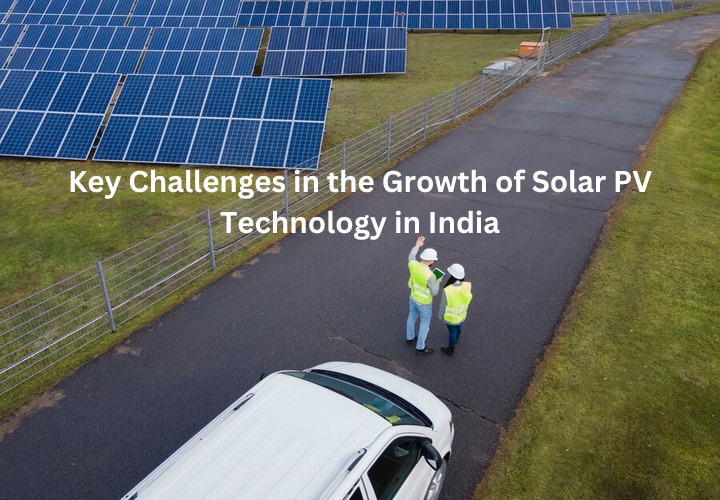
Key Challenges in the Growth of Solar PV Technology in India
India is rapidly emerging as a global leader in renewable energy, and Solar PV Technology in India plays a major role in achieving the country’s clean energy targets. With ambitious goals like 500 GW of renewable capacity by 2030, India is accelerating investments in solar PV systems, large-scale solar parks, and advanced PV solar panels.
As a leading solar engineering company, AceRenewTech continues to support India’s solar journey by adopting new technologies, improving efficiency, and addressing key growth challenges across commercial and utility-scale projects.
What Is India’s Solar Energy Potential?
India has one of the highest solar energy potentials in the world due to its favorable climate and growing energy demand.
According to the REN21 Renewables 2024 Global Status Report:
-
India ranks 5th globally in solar power capacity
-
Targets 500 GW renewable energy capacity by 2030
-
45 solar parks approved with a combined capacity of 37 GW
-
Major solar PV power plants include Pavagada (2 GW), Kurnool (1 GW), and Bhadla-II (648 MW)
-
India is developing the world’s largest 30 GW renewable energy park in Gujarat
The Production-Linked Incentive (PLI) scheme has further strengthened domestic manufacturing of PV solar panels, enhancing efficiency and export potential.
Solar Technologies Driving Growth in India
Integration of AI in Solar PV Systems
AI-enabled solar PV systems analyze weather conditions, monitor panel performance, and predict maintenance needs. These smart systems improve energy output by optimizing panel orientation and minimizing downtime, especially in large solar PV power plants.
Solar Photovoltaic (PV) Technology
Modern Solar PV Technology in India has significantly improved panel efficiency, increasing output from around 20% to nearly 25%.
Key advancements include:
-
Bifacial PV solar panels that generate power from both sides, improving energy yield by up to 30%
-
Monocrystalline panels offering higher efficiency, better low-light performance, and longer lifespan
These innovations make solar PV applications more viable for both residential and commercial sectors.
Solar Thermal Technology
Solar thermal systems convert sunlight into heat to generate electricity or thermal energy. Unlike PV panels, they are commonly used in industrial and residential heating applications, complementing PV-based solar power solutions.
Key Challenges Facing Solar PV Technology in India
Despite rapid growth, several challenges slow the expansion of solar PV systems across the country.
Power Evacuation and Grid Stability
Grid integration remains a major challenge for large-scale solar PV power plants. Maintaining grid stability while managing intermittent solar generation requires stronger transmission infrastructure and energy storage solutions.
Land Acquisition Issues
Land availability and complex acquisition processes delay solar projects. Large solar parks often face environmental concerns and land-use conflicts.
Operational and Supply Chain Challenges
Delays in equipment supply, logistics issues, and skilled manpower shortages impact project timelines. Efficient planning is critical for smooth solar PV system installation, especially in commercial projects.
Financing Complexities
High upfront costs and limited access to affordable financing slow adoption, particularly for commercial solar PV applications and residential users.
Policy and Regulatory Challenges
Unclear policies and frequent regulatory changes create uncertainty for investors and developers, affecting long-term solar growth.
How AceRenewTech Supports India’s Solar Growth
As a trusted provider of Solar PV Technology in India, AceRenewTech delivers end-to-end solutions including:
-
Solar PV system design and installation
-
Commercial and utility-scale solar PV applications
-
Advanced PV solar panels and performance optimization
-
Reliable execution of solar PV power plant projects
We remain committed to supporting India’s renewable energy goals by delivering efficient, scalable, and future-ready solar solutions.
Conclusion
Solar PV Technology in India is central to the nation’s transition toward sustainable energy. While challenges related to land, grid stability, finance, and policy remain, continuous innovation and strategic planning are driving progress.
By adopting advanced solar PV systems, improving grid infrastructure, and streamlining solar PV system installation, India is well-positioned to become a global solar powerhouse.