
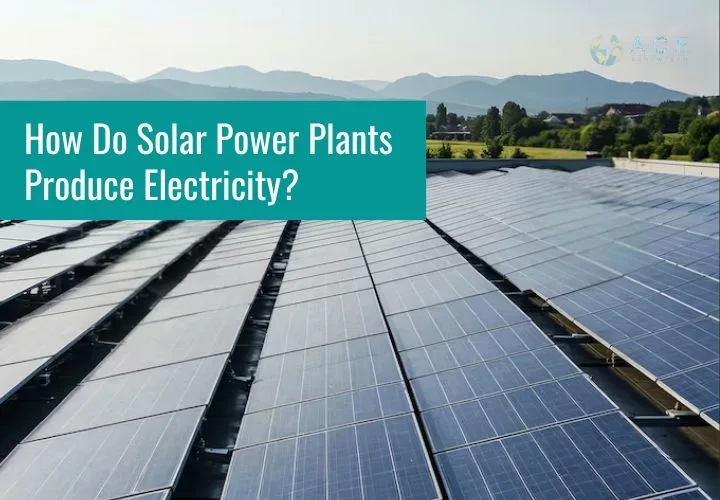
How a Solar Power Plant Produces Electricity
A solar power plant produces electricity by converting sunlight into electrical energy using photovoltaic (PV) panels. These panels generate Direct Current (DC), which is then converted into Alternating Current (AC) through inverters. The electricity is used immediately, stored in batteries, or exported to the grid. This process is clean, silent, and highly efficient.
Introduction: The Science Behind Solar Power
A solar power plant is one of the cleanest, most abundant, and most reliable ways to generate electricity. Sunlight reaches Earth every day in massive amounts, and with the right technology, this free energy can be converted into usable power. As electricity costs continue to rise and climate change becomes a global concern, adopting a strong solar power solution has shifted from being optional to essential. Today, solar energy powers everything—from residential rooftops to large-scale solar farms.
What Happens Inside a Solar Plant?
A solar power plant is a system that converts sunlight into electricity on a large scale. It uses advanced technology to capture solar radiation, convert it into electrical energy, store it when needed, and distribute it efficiently. Thanks to the growth of EPC solar companies in India, modern solar plants are now smarter, more efficient, and easier to install than ever before
Key Components in Solar Power Systems
To understand how solar power plant work, let us first consider some of the main components:
- Solar Panels (Photovoltaic modules)
- Inverters
- Mounting Structures
- Battery Storage (optional)
- Distribution System
All these components play an important role in ensuring that sunlight is not wasted but is converted fully into clean electricity.
How a Solar Power Plant Converts Sunlight Into Electricity
Solar panels are the heart of every solar power plant. They are made of photovoltaic (PV) cells, typically silicon-based. When sunlight strikes these cells:
-
Electrons inside the silicon become energized
-
These electrons start moving
-
Movement creates Direct Current (DC) electricity
This natural process is called the photovoltaic effect—clean, quiet, and instantaneous whenever sunlight is available.
Inverters and Their Role in Power Conversion
Though solar devices create DC electric power, we use AC electric power at residences and commercial establishments. Thus, inverters convert DC into AC, which our electrical gadgets and machinery use.
A modern solar power plant often uses a smart inverter. This intermediary device monitors energy production, adjusts voltages, and provides safety functions. Indian EPC solar companies continually improve inverter technology to maximise performance and reliability in different Indian weather environments.
Storing and Distributing Solar Electricity Efficiently
After DC is converted into AC, the electricity can be:
-
Used immediately
-
Stored in batteries
-
Exported to the power grid
Large solar installations often include energy storage systems to ensure power availability during night or cloudy periods. Grid-connected systems are popular because extra electricity can be sold to DISCOMs, reducing overall power bills and wastage through net metering.
Benefits of Solar Power Plants for India’s Energy Future
Solar power plants play a transformative role in shaping India’s renewable energy landscape. With increasing energy demand, rising electricity prices, and the need for sustainable power sources, solar energy has become one of the most reliable solutions for the country’s future.
1. Lower Electricity Costs
Solar power plants reduce long-term energy expenses, as they generate electricity at a significantly lower cost compared to fossil fuel–based power generation.
2. Clean and Sustainable Power
Solar energy does not release harmful emissions, making it an eco-friendly choice. It helps India reduce carbon footprints and supports global environmental goals.
3. Enhanced Energy Security
With solar adoption, India reduces its dependence on coal, oil, and gas imports. This strengthens the country’s energy independence.
4. Scalable and Versatile Solutions
Solar plants can be installed in various capacities—from small rooftop systems to large-scale solar farms. This flexibility makes solar ideal for rural, urban, and industrial applications.
5. Strong Government Support
The Indian government promotes solar energy through subsidies, tax benefits, and net-metering policies. These incentives encourage more households and businesses to adopt renewable energy.
This combination of economic, environmental, and national advantages makes solar power plants a critical part of India’s energy future.
Ace Renewtech’s Contribution to Solar Innovation
As a leading EPC solar company in India, Ace RenewTech plays a crucial role in advancing solar power solutions. We manage everything from engineering and procurement to construction and maintenance.
Our strengths include:
-
Smart layout design using advanced software
-
AI-enabled performance tracking
-
High-quality materials for durability
-
Efficient wiring and safety integration
-
Cost-effective and long-lasting solar power solutions
We ensure every solar plant delivers maximum performance, long-term reliability, and excellent return on investment.
Conclusion
The future of energy is powered by the sun. A well-designed and professionally installed solar power plant can significantly reduce electricity bills, increase ROI, and contribute to a greener planet. With Ace RenewTech, you don’t just install a solar system—you gain access to expert engineers, advanced technology, and dependable support for decades.
Begin your solar journey today, and let every sunrise generate clean energy for your future.